Few animals capture the beauty and character of the British countryside quite like the stag. With its impressive antlers, powerful presence and unmistakable silhouette, the stag has long been associated with the wild landscapes of Britain. From the misty hills of the Scottish Highlands to traditional country estates, this magnificent animal has become an enduring symbol of rural life.
But why is the stag such an iconic symbol of the British countryside? Its significance goes far beyond its striking appearance. Throughout history, stags have represented strength, nobility, freedom and a deep connection to nature. Today, their image remains a popular feature in countryside-inspired artwork, home accessories and traditional country décor.
Let's explore the history, symbolism and lasting appeal of one of Britain's most recognisable wild animals.
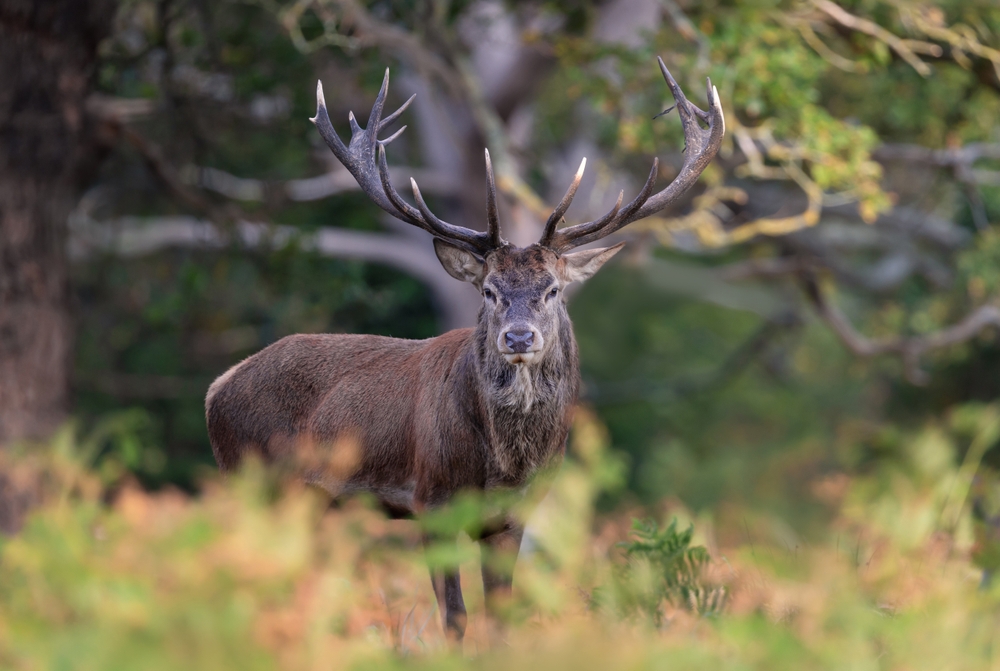
The stag is often associated with several powerful qualities, many of which reflect its behaviour in the wild and its historical place in British culture.
Strength and Power
With their muscular build and impressive antlers, mature male red deer are a striking sight. During the autumn breeding season, known as the rut, stags compete for dominance, sometimes clashing antlers in dramatic displays of strength.
This natural behaviour has helped establish the stag as a symbol of physical power, determination and resilience.
Nobility and Leadership
For centuries, stags have appeared in heraldry, family crests and decorative artwork. Their proud stance and commanding appearance have made them popular representations of dignity, leadership and noble character.
Freedom and Independence
Often pictured standing on a hillside or moving through open woodland, the stag also represents freedom and the untamed beauty of nature.
Its association with wild, expansive landscapes makes it particularly meaningful to those who appreciate the peace and independence of country living.
Renewal and Growth
One of the stag's most fascinating characteristics is its ability to shed and regrow its antlers each year.
This remarkable natural cycle has contributed to its symbolic association with renewal, regeneration and the changing seasons.
The stag has played an important role in British history for hundreds of years, particularly through its connection to royal hunting grounds and traditional country estates.
During the medieval period, deer hunting was closely associated with royalty and the aristocracy. Large areas of woodland and countryside were designated as royal forests, where hunting rights were strictly controlled.
Red deer, particularly mature stags, were highly prized quarry. Their impressive size and antlers made them symbols of prestige, while hunting itself was often linked to social status and privilege.
The stag also became a familiar image in heraldry, appearing on coats of arms and family emblems. Its graceful yet powerful appearance made it a fitting symbol for families wishing to express qualities such as courage, honour and strength.
Over time, the stag's image became deeply woven into Britain's rural identity, representing both the traditions of country life and the natural beauty of the landscape.
Although red deer can be found in several parts of Britain, the stag is particularly associated with the Scottish Highlands.
The Highlands' dramatic mountains, open moorlands and sweeping glens provide some of the country's most recognisable deer landscapes.
A stag standing proudly against a mist-covered mountain has become an iconic image of Scotland, appearing in paintings, photography, traditional artwork and countryside-inspired home accessories.
The red deer is Britain's largest native land mammal, and mature males can develop magnificent branching antlers that add to their distinctive appearance.
During the autumn rut, the deep roaring calls of stags can echo across Highland valleys as males compete for access to females.
This remarkable seasonal spectacle has helped strengthen the stag's reputation as a powerful symbol of the Scottish wilderness.
For many people, the Highland stag represents more than wildlife. It captures the rugged beauty, history and independent spirit often associated with Scotland's countryside.
The stag's symbolic importance extends beyond history and into British folklore, mythology and storytelling.
In Celtic traditions and later folklore, deer were sometimes associated with the natural world, spirituality and journeys between the familiar and the mysterious.
Stories featuring white stags are particularly well known. These unusual animals often appear as elusive creatures that lead hunters or travellers towards unexpected adventures.
In Arthurian legends, the pursuit of a white stag can mark the beginning of a quest, symbolising the search for something extraordinary or difficult to attain.
The stag has also been connected with themes of transformation and renewal, partly because of its annual antler-shedding cycle.
These stories have helped create an enduring sense of mystery around the animal, making it a popular subject in traditional art, literature and decorative design.
The stag has become a much-loved feature of country-inspired interiors, bringing a sense of traditional charm and countryside character into the home.
Its distinctive shape makes it particularly suited to decorative designs, whether featured in artwork, ornaments, cushions or other home accessories.
One reason for its popularity is its versatility. Stag-inspired pieces can complement a wide range of interior styles, from rustic farmhouse settings to elegant country houses.
In a traditional living room, a stag ornament or framed illustration can create a connection to the outdoors. In a more contemporary home, a simple stag silhouette can provide a subtle countryside influence without overwhelming the space.
Stag designs are also especially popular during autumn and winter, when their association with woodland, nature and Highland landscapes complements cosy seasonal interiors.
For those who love rural living, incorporating stag-inspired accessories is a simple way to celebrate the beauty and heritage of the British countryside.
The stag's place in British countryside culture is rooted in centuries of history, tradition and admiration for the natural world.
From its associations with strength and nobility to its role in folklore and its unmistakable presence in the Scottish Highlands, the stag represents many of the qualities people love about rural Britain.
Its impressive appearance and connection to wild landscapes have also made it a timeless feature of country home décor, allowing people to bring a little countryside character into their homes.
Whether spotted roaming across a misty Highland hillside or featured in a beautiful piece of countryside-inspired artwork, the stag remains one of the most recognisable and cherished symbols of the British countryside.
Browse our website to explore our full range of stunning stag gifts.